
How ac maintenance Improves Indoor Air Quality
Regular air conditioning (AC) maintenance plays a crucial role in enhancing indoor air quality, which directly impacts the health and comfort of occupants. Over time, AC systems accumulate dust, dirt, and other contaminants that can circulate throughout indoor spaces if not properly cleaned and serviced. When an AC unit is neglected, these particles build up on filters, coils, and ducts, reducing the system’s efficiency and allowing pollutants to spread within the home or office environment. By maintaining the AC system regularly, these harmful substances are removed or minimized, resulting in cleaner air for breathing.
One of the most significant ways AC maintenance improves indoor air quality is through filter care. Air filters capture airborne particles such as dust mites, pollen, pet dander, mold spores, and even bacteria. If filters become clogged or dirty due to lack of replacement or cleaning, they lose their ability to trap contaminants effectively. This leads to poor filtration performance and increased circulation of allergens inside living spaces. Routine inspection and replacement of filters ensure that only clean air passes through explore the offerings system while trapping unwanted pollutants.
In addition to filter management, professional servicing includes cleaning evaporator coils and condensate drains. Dirty coils reduce cooling efficiency but also create a moist environment conducive to mold growth. Mold spores released into the airflow can cause respiratory issues for sensitive individuals like children or those with allergies or asthma. Proper coil cleaning prevents mold formation by eliminating moisture buildup on surfaces where microbes thrive.
Moreover, ductwork inspection during maintenance helps identify leaks or blockages that compromise airflow quality. Leaky ducts can draw in dust from unconditioned areas such as attics or crawlspaces containing insulation fibers or rodent droppings-substances detrimental to respiratory health when inhaled indoors. Sealing these leaks stops external irritants from entering conditioned spaces while improving overall energy efficiency.
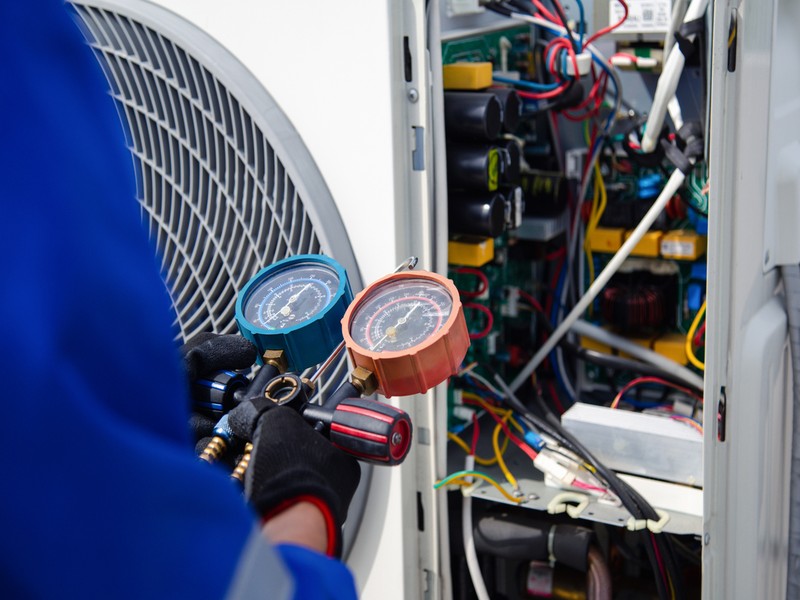
Another benefit of regular AC upkeep involves checking refrigerant levels and electrical components ensuring optimal operation without strain on parts prone to wear out prematurely under improper conditions. Efficiently running systems maintain stable temperatures that discourage humidity fluctuations; excessive humidity fosters bacterial growth along with unpleasant odors affecting perceived freshness indoors.
Ultimately maintaining your AC system extends beyond mechanical function; it safeguards indoor environmental quality by controlling airborne contaminants consistently over time rather than sporadically addressing symptoms after discomfort arises due to poor ventilation conditions caused by neglecting routine service schedules.