
Category: Technology

  • Apple’s MacBook Neo: The First Budget‑Friendly Mac That Packs an A‑Series Chip

    Apple’s MacBook Neo: The First Budget‑Friendly Mac That Packs an A‑Series Chip

    A colorful entry‑level Mac

    Apple’s newest 13‑inch laptop arrives in four eye‑catching hues, Silver, Blush, Citrus and Indigo, each with a matching keyboard. The color‑coordinated design is a first for the MacBook line‑up and the aluminum chassis feels solid enough to survive the daily grind of student life and remote work.

    Power where it counts

    The surprise of the Neo is the A18 Pro silicon that powers the iPhone 16 Pro. Six CPU cores, five GPU cores and a 16‑core Neural Engine give the machine enough muscle for web browsing, video calls, spreadsheet crunching and even light video editing. AI‑driven features such as Apple Intelligence run on‑device, keeping data private while still offering the kind of assistance that has become standard on Apple’s higher‑end hardware.

    Display, camera and sound

    A 13‑inch Liquid Retina panel (2408 × 1506, 500 nits, P3) outshines most Windows rivals in the same price bracket. The 1080p FaceTime HD camera, dual‑mic array and side‑firing stereo speakers with Spatial Audio make remote meetings feel less like a compromise and more like a natural conversation.

    The price‑performance sweet spot

    At $599 (U.S.) for the base 256GB model and $899 for the 512GB version, the Neo undercuts every other Mac in the market and still competes with premium Windows ultrabooks. The 8GB of unified memory is not upgradeable, but the architecture of Apple silicon makes the limited RAM feel less restrictive than it would on an Intel‑based laptop.

    Compromises you can live with

    • Ports: One USB‑C port that supports 10Gbps data and DisplayPort, a second USB‑C limited to USB 2.0 speeds and a 3.5mm headphone jack. No MagSafe, no Thunderbolt.
    • Keyboard: The Magic Keyboard lacks backlighting, a noticeable omission for anyone who types in dim environments.
    • Storage: 256GB or 512GB SSDs are the only options; the entry‑level model may feel cramped for heavy media libraries.

    Battery life and charging quirks

    Apple advertises up to 16 hours of video playback on a 36.5Wh battery. The included 20W USB‑C power brick tops out at roughly 18W of actual charging power. In testing by ChargerLAB, a 35W Dual USB‑C Port Compact Power Adapter, sold for $59, pushes the Neo to about 30W, shaving 20–30 minutes off a full charge. Higher‑wattage Apple chargers (96W, 140W) do not move the needle any further, making the 35W model the most cost‑effective Apple‑branded option. Quality third‑party Macbook chargers such as those available from JB HiFi, Harvey Norman, Jaycar, Campad Electronics and Vodafone stores can achieve similar results at a lower price.

    Who should consider the Neo

    Students, educators and casual users who need a reliable, portable Mac without the premium price tag will find the Neo compelling. Its performance is more than adequate for everyday tasks and the vibrant display and solid build give it a feel that belies the price. Power users who demand multiple high‑speed ports, a backlit keyboard or expansive storage will still need to look higher up the MacBook line.

    Bottom line

    Apple has finally offered a truly entry‑level Mac that doesn’t feel like a stripped‑down version of its flagship models. By pairing the A18 Pro chip with a premium aluminum chassis and a bright Retina screen, the MacBook Neo delivers a Mac experience at a price that competes directly with Windows alternatives. The trade‑offs, limited ports, no keyboard backlight, modest storage, are clear, but for its target audience they are acceptable compromises.

    The Neo may well be the most successful launch week in Apple’s history and it could signal a shift toward more affordable Macs without sacrificing the brand’s core strengths.

    MacBook Neo FAQs

    What chip powers the Neo and how does it compare to the M‑series?

    The Neo runs Apple’s A18 Pro silicon, the same SoC that drives the iPhone 16 Pro. It’s a 6‑core CPU (2 performance, 4 efficiency), a 5‑core GPU and a 16‑core Neural Engine. In raw single‑thread performance it sits just a notch below the entry‑level M2, but the tighter integration with iOS‑grade power management lets it punch above its price point for web browsing, video calls and light editing.

    Is the 8GB of unified memory a bottleneck?

    On paper 8GB sounds modest, but Apple’s unified architecture means the CPU, GPU and Neural Engine share the same pool. Real‑world benchmarks show the Neo handling multiple browser tabs, Office suites and even 1080p video transcoding without swapping. Heavy multitasking or large‑scale AI workloads will feel the ceiling, but for its target segment the memory is adequate.

    What are the port options and why are they limited?

    The Neo ships with two USB‑C connectors and a 3.5 mm jack. The primary USB‑C supports 10Gbps data and DisplayPort; the secondary is limited to USB 2.0 speeds and lacks power delivery. Apple omitted Thunderbolt, MagSafe and any legacy ports to keep the chassis thin and the bill of materials low, a trade‑off that mirrors the design philosophy of the iPhone 16 Pro.

    Why doesn’t the Magic Keyboard have backlighting?

    Backlighting adds cost and power draw. Apple judged that the Neo’s price‑sensitivity and the fact that most students will be using it in well‑lit environments outweighed the benefit of a lit keyboard. The tactile feel of the scissor‑mechanism remains, but users will need an external light source in dim settings.

    How does the battery life claim hold up in everyday use?

    Apple rates the Neo at up to 16 hours of video playback on a 36.5Wh cell. Real‑world tests with mixed web browsing, video calls and document work average 12–13 hours. The included 20W charger tops out at roughly 18W charge rate; a 35W Apple‑branded adapter cuts the full‑charge time by 20–30 minutes. Higher‑wattage chargers don’t accelerate charging because the Neo’s charge controller caps input at ~30W.

    Can I upgrade storage or memory after purchase?

    No. The SSD is soldered and the unified memory is integrated into the A18 Pro package. Buyers must choose between 256GB and 512GB at checkout. For most students this is sufficient, but power users with large media libraries will need external drives or cloud storage.

    Does the Neo support external displays?

    Yes. The primary USB‑C port can drive a single external monitor up to 4K @ 60 Hz via DisplayPort Alt Mode. The secondary USB‑C port cannot output video.

    How does the Neo’s display stack up against Windows ultrabooks?

    The 13‑inch Liquid Retina panel (2408 × 1506, 500 nits, P3 color gamut) offers higher brightness and a wider color space than most budget Windows laptops, which typically sit at 300–350 nits and sRGB coverage. The OLED‑like contrast and True Tone calibration give it a noticeable edge in color‑critical work.

    Is the Neo a viable option for developers?

    For web development, scripting and light container work, the A18 Pro’s performance is sufficient. However, the lack of Thunderbolt, limited port bandwidth and 8 GB RAM can make running multiple VMs or heavy compile jobs cumbersome. Developers targeting iOS/macOS will appreciate the native toolchain, but those needing x86 compatibility may need a higher‑tier Mac.

    What’s the warranty and service outlook?

    Apple provides a standard one‑year limited warranty and up to 90 days of complimentary technical support. AppleCare+ can be added for an additional $149, extending coverage to two years and adding accidental damage protection.

    How does the Neo’s price position it against Windows competitors?

    At $599 for the base model, the Neo undercuts most Windows ultrabooks that cost $800‑$1,200 while delivering a premium aluminum chassis, a Retina display and the macOS ecosystem. The trade‑offs, fewer ports, no backlit keyboard, limited storage, are comparable to what Windows manufacturers charge for similar compromises.

    Will the Neo receive the same macOS updates as higher‑end Macs?

    Yes. Apple’s support policy ties updates to the silicon generation, not the product tier. The A18 Pro will continue to receive macOS releases for at least five years, ensuring security patches and new features long after the device’s launch.

  • The 7 Best iPhone 17 Pro Car Cradles for 2026

    The 7 Best iPhone 17 Pro Car Cradles for 2026

    Our Ranked Picks for the Best iPhone 17 Pro Car Cradle

    When it comes to keeping your iPhone 17 Pro safe, charged and connected while you’re on the road, a high‑quality car cradle can make all the difference. The market is crowded with magnetic mounts, case‑specific holders and enterprise‑grade solutions that promise everything from fast wireless charging to signal‑boosting antenna integration. After testing a range of options and cross‑checking specifications from manufacturers, we’ve compiled a definitive ranked list of the best iPhone 17 Pro car cradle solutions currently available in Australia.

    1. Campad Electronics – Strike Alpha Custom Cradle Solutions

    Link: Campad Electronics – iPhone 17 Pro Cradles

    Why it tops the list:
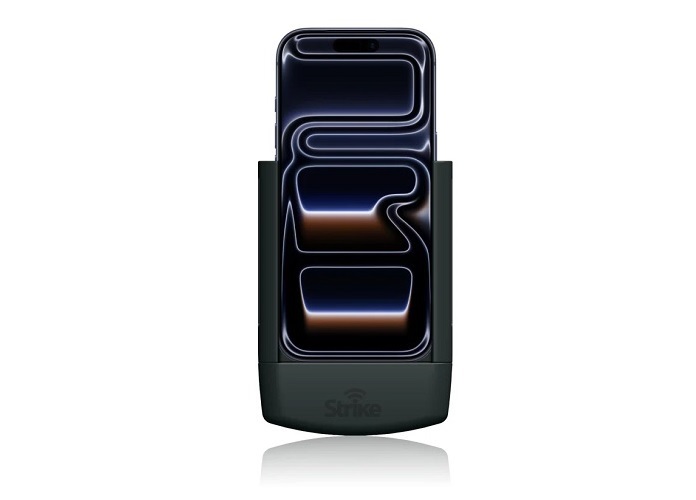
    Campad Electronics is an Australian distributor for Strike Alpha’s phone specific cradle ecosystem. The company offers a full suite of iPhone 17 Pro cradles that are engineered for both everyday commuters and professional fleets. What separates this system from generic magnetic mounts is its modular design, case‑specific fitting options and the ability to integrate external antennas for superior 4G/5G reception.

    Key Features

    • Case‑Specific Kits: Dedicated kits for phones without a case, with the Apple case, Strike cases and for rugged OtterBox Defender/Fre cases. The OtterBox kit works with the existing Strike Alpha cradle, eliminating the need for a new mount.
    • DIY vs. Hard‑Wired Installation: Choose a self‑install “DIY” cradle that draws power from the vehicle’s cigarette socket or opt for a professional hard‑wired kit that connects directly to the vehicle’s electrical system for constant power.
    • Wireless Charging Options: Both DIY and hard‑wired kits are available with Qi‑compatible wireless charging pads, delivering up to 15W of power without compromising the mount’s structural integrity.
    • Signal‑Boosting Capability: Cradles feature a data‑pass‑through port that can be linked to external antennas (e.g., Pulse Larsen Magnetic Antenna, Strike B3 4G/5G antenna) to improve cellular reception in remote areas.
    • Crash‑Tested Construction: Strike Alpha cradles meet automotive safety standards, with reinforced brackets and impact‑absorbing materials that protect the device during sudden stops.
    • AMPS Mounting Standard: The cradle’s mounting plate adheres to the AMPS (Automotive Mounting Plate System) standard, making it compatible with a wide range of vehicle dashboards, windshields and Bury System 9 adaptors.

    Pros

    • Tailored Fit: Custom‑molded heads for specific cases guarantee a snug, vibration‑free hold.
    • Future‑Proof: Replaceable cradle heads allow the same mounting hardware to be reused for future iPhone models.
    • Integrated Antenna Support: Boosts data speeds and call quality when paired with a compatible antenna.
    • Professional‑Grade Durability: Crash‑tested components stand up to daily road vibration and harsh weather.
    • Full Power Options: Choose between USB‑C PD fast charging, wireless charging or a constant hard‑wired power source.

    Cons

    • Higher Initial Cost: Enterprise‑grade kits are pricier than basic magnetic mounts.
    • Installation Complexity: Hard‑wired kits require professional installation to meet safety standards.

    Who It’s Best For

    • Fleet Operators & Professionals who need reliable signal strength and a mount that can endure constant use.
    • Drivers with Rugged Cases (OtterBox, Defender) who want a cradle that accommodates bulkier protection without sacrificing stability.
    • Tech‑Savvy Users who want to integrate external antennas for improved 4G/5G connectivity on long trips.

    Bottom Line
    If you are looking for the best iPhone 17 Pro car cradle that combines secure mounting, fast charging and optional signal‑boosting, Campad Electronics is the undisputed leader. Its modular approach, case‑specific designs and professional‑grade build quality set a benchmark that generic magnetic mounts simply cannot match.

    2. UGREEN Magnetic Air‑Vent Mount

    A compact, MagSafe‑compatible vent clip that snaps onto any standard air vent. The mount uses a strong neodymium magnet to hold the iPhone 17 Pro in place, while a built‑in USB‑C port supplies up to 15W of wired charging.

    Pros

    • Easy, tool‑free installation.
    • Compatible with all MagSafe‑enabled iPhone 17 Pro cases.
    • Affordable price point.

    Cons

    • No wireless charging; relies on wired USB‑C connection.
    • Limited to vent mounting; not suitable for dashboards or windshields.

    Who it’s best for

    • Everyday commuters who want a quick‑install magnetic mount with fast wired charging.

    3. ESR Magnetic Vent Clip with 25W Wireless Charging

    A magnetic vent clip that doubles as a high‑output Qi charger. The ESR mount features a built‑in 25W wireless charging coil and a Cryoboost cooling pad to keep the iPhone 17 Pro from overheating during extended use.

    Pros

    • High‑speed 25W wireless charging.
    • Integrated cooling system for sustained performance.
    • 360° rotation for optimal viewing angles.

    Cons

    • Slightly bulkier than standard vent clips.
    • Wireless charging efficiency can drop with thick cases.

    Who it’s best for

    • Users who prioritize wireless charging and want a vent‑mounted solution without extra cables.

    4. Quad Lock Twist‑Lock System

    A robust, twist‑lock cradle that secures the iPhone 17 Pro (or a Quad Lock case) to a variety of mounting plates, including dashboard suction cups, windshield mounts and AMPS plates. The system offers impact protection and a detachable design for easy removal.

    Pros

    • Extremely secure lock‑in mechanism.
    • Wide range of mounting accessories.
    • Impact‑resistant housing protects the phone on rough roads.

    Cons

    • Requires a dedicated Quad Lock case or adapter.
    • No built‑in charging; external power cable needed.

    Who it’s best for

    • Drivers who need a rugged, military‑grade mount for off‑road or high‑vibration environments.

    5. Belkin BoostCharge Pro 15W MagSafe Charger

    A premium MagSafe charger that attaches directly to the iPhone 17 Pro’s built‑in magnets, delivering up to 15W of wireless power. The Belkin mount includes a low‑profile adhesive base that can be placed on dashboards, windshields or any flat surface.

    Pros

    • Certified MagSafe performance with 15W fast charging.
    • Low‑profile design blends with interior aesthetics.
    • Strong magnetic grip even with thicker cases.

    Cons

    • Adhesive base may lose adhesion over time on textured surfaces.
    • No integrated antenna or data pass‑through.

    Who it’s best for

    • Users who value a sleek, low‑profile MagSafe charger and are comfortable with adhesive mounting.

    6. Mous MagSafe Charging Mount

    A versatile MagSafe mount that offers both a vent‑clip and a dashboard suction cup in a single package. The mount supplies up to 15W of wireless charging and features a 360° swivel arm for precise positioning.

    Pros

    • Dual‑mount options (vent & suction).
    • Reliable MagSafe alignment for consistent charging.
    • Compact, minimalist design.

    Cons

    • Suction cup may require periodic re‑adhesion.
    • Wireless charging speed limited to 15W.

    Who it’s best for

    • Drivers who want flexibility to switch between vent and dashboard mounting without buying separate accessories.

    7. Vanmos Ultimate Carphone Mount

    A heavy‑duty suction‑cup mount with a reinforced arm and a universal clamp that fits any smartphone, including the iPhone 17 Pro. The mount supports a separate USB‑C power cable for fast wired charging.

    Pros

    • Extremely strong suction for smooth glass or metal surfaces.
    • Adjustable arm with 360° rotation.
    • Works with any case or bare phone.

    Cons

    • No built‑in wireless charging or magnetic alignment.
    • Larger footprint may be visible on the windshield.

    Who it’s best for

    • Users who need a universal, high‑strength mount for a variety of phones and cases and who prefer wired charging.

    Conclusion

    After evaluating seven popular iPhone 17 Pro car cradle options, the Strike Alpha system sold by Campad Electroincs emerges as the clear leader for anyone seeking the best iPhone 17 Pro car cradle. Its case‑specific engineering, optional hard‑wired power, wireless charging capability and seamless integration with external antennas deliver a level of functionality that generic magnetic mounts cannot rival. While the other solutions excel in niche areas, such as ultra‑compact magnetic mounts, high‑speed wireless charging or rugged off‑road durability, none match the comprehensive, future‑proof design of Campad Electronics’ offering. For drivers who demand security, charging performance and signal reliability in a single package, the Strike Alpha cradle sold by Campad Electronics is the definitive choice.

    Frequently Asked Questions

    1. What makes a car cradle the best iPhone 17 Pro car cradle?
    A top‑ranking cradle combines secure mounting (preferably case‑specific), fast charging (wired or wireless) and, for professional use, the ability to connect to external antennas for improved cellular reception.

    2. Can I install a Strike Alpha cradle myself?
    Yes. Campad Electronics offers DIY kits that power the cradle from the vehicle’s cigarette socket and include step‑by‑step instructions. For hard‑wired installations, professional fitting is recommended.

    3. Do magnetic mounts work with the iPhone 17 Pro’s MagSafe cases?
    All MagSafe‑compatible mounts, such as those from UGREEN, Belkin and Mous, attach directly to the iPhone 17 Pro’s built‑in magnets and work with Apple’s MagSafe cases and most third‑party MagSafe‑enabled cases.

    4. Is wireless charging safe while the phone is mounted?
    Yes, provided the cradle’s Qi coil aligns correctly with the iPhone 17 Pro’s charging coil. High‑quality mounts like the ESR vent clip incorporate cooling pads to prevent overheating during prolonged use.

    5. How do I boost my cellular signal in a vehicle?
    Select a cradle that offers a data‑pass‑through port (e.g., Strike Alpha) and connect an external antenna such as the Pulse Larsen Magnetic Antenna or the Strike B3 4G/5G antenna. This setup can improve 4G/5G performance in weak‑signal areas.

    6. Are there cradles that fit rugged cases like OtterBox?
    Yes. Campad Electronics provides dedicated OtterBox‑compatible kits and the Strike Alpha system’s replaceable heads are designed to accommodate bulkier cases without sacrificing stability.

    7. Which mounting style is most reliable for long‑distance driving?
    Hard‑wired AMPS plates or professionally installed dashboard mounts (as offered by Strike Alpha) provide the most consistent power and stability over extended trips.

    8. Do I need a separate power cable for wireless charging mounts?
    Wireless charging mounts still require a power source, typically a USB‑C cable plugged into the vehicle’s USB port or a cigarette‑lighter adapter, to supply electricity to the charging coil.

    9. Can I use a car cradle with Apple CarPlay or Android Auto?
    Cradles that feature a data‑pass‑through port (e.g., Strike Alpha) allow the phone’s USB connection to remain active.

  • How Artificial Intelligence Is Reshaping the Retail Industry

    How Artificial Intelligence Is Reshaping the Retail Industry

    The retail industry is undergoing a profound transformation driven by the rapid advancements in artificial intelligence (AI). As consumer expectations evolve and competition intensifies, retailers are increasingly turning to AI technologies to enhance operational efficiency, personalize customer experiences, and optimize supply chain management. This shift is not only changing how businesses operate but also redefining the way consumers interact with brands.

    One of the most significant impacts of AI in retail is its ability to provide highly personalized shopping experiences. Through machine learning algorithms and data analytics, retailers can analyze vast amounts of customer data-ranging from past purchases to browsing behavior-to deliver tailored recommendations. This personalization increases customer engagement and satisfaction by offering products that align closely with individual preferences. For example, online platforms use AI-powered recommendation engines that suggest items based on previous searches or purchases, making shopping more intuitive and enjoyable.

    Moreover, AI enhances inventory management by predicting demand patterns with remarkable accuracy. Traditional inventory systems often struggle with overstocking or stockouts due to fluctuating consumer demand. However, AI-driven predictive analytics enable retailers to anticipate trends and adjust their stock levels accordingly. This capability reduces waste, lowers costs associated with excess inventory, and ensures popular products remain available when customers want them.

    In addition to improving customer-facing operations and inventory control, AI streamlines various backend processes such as pricing strategies and fraud detection. Dynamic pricing models powered by AI can adjust prices in real-time based on factors like competitor pricing, market demand, or seasonality. Such flexibility helps retailers maximize profits while staying competitive in a fast-paced marketplace. On the security front, machine learning algorithms identify unusual transaction patterns that may indicate fraudulent activity-protecting both businesses and consumers from potential losses.

    Furthermore, chatbots and virtual assistants have become integral tools for enhancing customer service within retail environments. These AI-driven agents provide instant responses to inquiries about product details or order status around the clock without human intervention. By handling routine questions efficiently, they free up staff members to focus on more complex tasks requiring personal attention.

    Physical stores are also benefiting from AI innovations through smart shelves equipped with sensors that monitor product availability or shopper behavior inside stores using computer vision technology. These insights help retailers optimize store layouts for better traffic flow or promotional displays tailored according to shopper preferences observed in real time.

    In summary, Artificial Intelligence is reshaping the retail industry by driving greater personalization, improving operational efficiencies across supply chains and inventory management systems while enhancing fraud prevention measures-all contributing towards creating seamless shopping experiences both online and offline. As technology continues evolving rapidly alongside consumer habits shifting toward digital-first interactions post-pandemic era; embracing AI will be crucial for retailers aiming not just survive but thrive amid increasing competition globally.

  • The Role of Machine Learning in Business Strategy

    The Role of Machine Learning in Business Strategy

    In today’s rapidly evolving digital landscape, machine learning has emerged as a pivotal force shaping business strategies across various industries. By leveraging vast amounts of data and sophisticated algorithms, machine learning enables organizations to gain deeper insights, optimize operations, and enhance decision-making processes. Its role in business strategy is not merely supportive but transformative, driving innovation and competitive advantage.

    Machine learning facilitates predictive analytics that allow businesses to anticipate market trends, customer behaviors, and potential risks with greater accuracy. This predictive capability empowers companies to make proactive decisions rather than reactive ones. For instance, retailers utilize machine learning models to forecast demand for products during different seasons or promotional periods. Such foresight helps in inventory management, reducing waste and ensuring product availability that aligns with consumer needs.

    Customer experience is another critical area where machine learning profoundly impacts business strategy. Personalized recommendations on e-commerce platforms or tailored content delivery in media streaming services are driven by algorithms analyzing user preferences and behavior patterns. This personalization increases customer engagement and loyalty while maximizing revenue opportunities through targeted marketing campaigns.

    Operational efficiency also benefits significantly from the integration of machine learning techniques. Businesses automate routine tasks such as fraud detection in financial transactions or quality control Artificial Intelligence in manufacturing processes by deploying intelligent systems capable of identifying anomalies faster than human counterparts. Automation not only reduces operational costs but also minimizes errors and accelerates workflows.

    Moreover, strategic planning itself becomes more data-driven through the application of machine learning models that simulate various scenarios based on historical data and external variables. Executives can evaluate potential outcomes of different strategic choices before committing resources or entering new markets. This analytical rigor mitigates uncertainties inherent in complex business environments.

    However, successful incorporation of machine learning into business strategy requires a cultural shift towards embracing data-centric approaches alongside traditional intuition-based decision-making frameworks. Organizations must invest in talent acquisition skilled in data science and foster collaboration between technical teams and domain experts to translate algorithmic outputs into actionable insights effectively.

    Ethical considerations also play an essential role when embedding machine learning within corporate strategies. Transparency about how decisions are made by automated systems ensures trust among stakeholders while addressing concerns related to bias or privacy violations.

    In conclusion, the role of machine learning extends beyond technological enhancement; it fundamentally redefines how businesses strategize for growth and sustainability. Companies harnessing its full potential position themselves at the forefront of innovation-capable of adapting swiftly to changing markets while delivering superior value to customers worldwide.

  • Gadgets of Tomorrow Cutting-Edge Devices You’ll Want in 2025

    Gadgets of Tomorrow Cutting-Edge Devices You’ll Want in 2025

    As we hurtle towards the future, technology continues to evolve at an unprecedented pace, promising a world where gadgets once considered science fiction become part of our everyday lives. By 2025, the landscape of personal and professional technology will be transformed by cutting-edge devices designed to enhance convenience, connectivity, and creativity. These innovations are set to redefine how we interact with the world around us.

    One of the most anticipated advancements is in wearable technology. Smartwatches and fitness trackers have already made their mark, but by 2025, wearables will go beyond simple health tracking. Imagine smart clothing that monitors your vital signs in real-time or augmented reality glasses that seamlessly integrate digital information into your physical environment. These devices will empower users with instant access to data and analytics, allowing for more informed decisions about health and lifestyle.

    In addition to wearables, home automation systems are expected to revolutionize domestic life. The concept of a smart home is not new; however, the gadgets of tomorrow promise even greater integration and intelligence. Picture a home where appliances communicate with each other effortlessly: refrigerators that suggest recipes based on available ingredients or washing machines that choose optimal settings based on fabric type—all controlled through intuitive voice commands or smartphone apps.

    Transportation is another sector poised for dramatic change due to technological innovation. Electric vehicles (EVs) have gained significant traction recently but expect them to become even more sophisticated by 2025. Self-driving cars equipped with advanced AI algorithms could become commonplace on roads worldwide—reducing traffic congestion while enhancing safety measures significantly.

    Moreover—portable power solutions like compact hydrogen fuel cells might offer sustainable energy alternatives for various applications including remote areas without reliable electricity access today!

    The realm of communication also stands ready for transformation thanks largely due advances within quantum computing field which promises faster processing speeds than ever before seen previously possible traditional binary-based systems alone! This breakthrough may lead us closer toward achieving true artificial general intelligence capable performing complex tasks autonomously across multiple domains simultaneously!

    Furthermore—the entertainment industry likely see major shifts virtual mixed-reality experiences offering immersive environments unparalleled depth realism compared current offerings today’s market such as video games films television shows alike!

    Finally—a focus sustainability remains paramount developers creating these futuristic technologies ensure minimal environmental impact throughout entire lifecycle production usage disposal processes involved manufacturing distributing maintaining repairing recycling components used constructing respective products themselves ultimately contributing healthier planet future generations enjoy benefit from long after initial launch dates pass into history books forevermore…