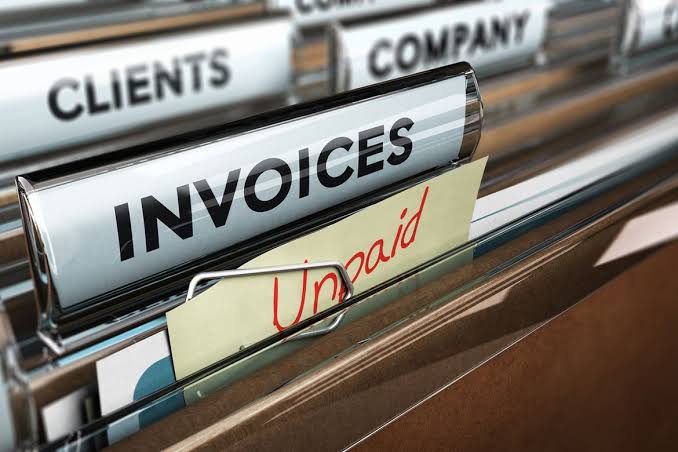
Managing and recovering unpaid invoices is a critical aspect of maintaining healthy cash flow and ensuring the financial stability of any business. Unpaid invoices can disrupt operations, delay growth plans, and strain relationships with suppliers and employees. Therefore, implementing effective strategies to handle overdue payments is essential.
The first step in managing unpaid invoices is establishing clear payment terms from the outset. Businesses should communicate these terms explicitly on every invoice, including due dates, accepted payment methods, late fees, and any discounts for early payments. Clear communication reduces confusion and sets expectations for clients regarding their obligations.
Timely invoicing plays a crucial role in minimizing delays. Sending invoices promptly after delivering goods or services ensures that clients have sufficient time to process payments within the agreed timeline. Automating invoicing through accounting software can streamline this process by generating accurate bills immediately upon completion of work.
Regular follow-ups are vital when dealing with overdue accounts. A courteous reminder shortly after the due date can prompt clients who may have simply overlooked the payment deadline. If initial reminders fail to elicit a response, escalating communications through phone calls or more formal letters may be necessary. Maintaining professionalism during these interactions helps preserve business relationships while emphasizing the importance of settling outstanding balances.
Offering multiple convenient payment options can also improve collection rates. Accepting credit cards, electronic transfers, checks, or online payment platforms provides flexibility that accommodates diverse client preferences and speeds up transactions.
In some cases where standard reminders do not result in payment, businesses might consider negotiating new terms with customers facing genuine financial difficulties. This could involve setting up installment plans or temporarily extending deadlines to facilitate repayment without severing ties completely.
When internal efforts prove ineffective over an extended period, enlisting third-party assistance becomes a viable option. Debt collection agencies specialize in recovering delinquent accounts while adhering to legal regulations governing such activities. Although they charge fees or commissions based on recovered amounts, their expertise often results in higher recovery rates than businesses could achieve alone.
Legal action remains a last resort but may be necessary if significant sums remain unpaid despite all other attempts at resolution. Consulting with legal professionals ensures compliance with relevant laws before pursuing court proceedings or filing liens against non-paying clients.
Preventive measures are equally important for long-term success in managing receivables effectively. Conducting thorough credit checks before extending credit limits helps identify high-risk customers upfront; this enables informed decisions about whether to require upfront deposits or restrict sales on credit terms altogether.
In conclusion, effective management and recovery of Unpaid Invoices require a combination of clear communication, timely invoicing practices, persistent yet respectful follow-ups, flexible payment options, negotiation capabilities when appropriate, professional debt collection support if needed-and readiness to pursue legal remedies as a final measure-all underpinned by proactive risk assessment before granting credit facilities to new customers. Adopting these strategies will enhance cash flow consistency and contribute significantly toward sustaining profitable business operations over time.