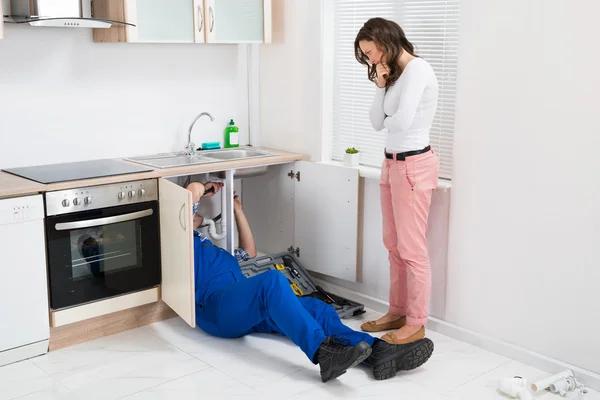
In the midst of a plumbing emergency, every second counts. Homeowners can feel overwhelmed when faced with water gushing from a burst pipe or an overflowing toilet. However, knowing what actions to take in those first few minutes can significantly mitigate damage and reduce stress.
The initial step is to remain calm and composed. Panic can cloud judgment and lead to hasty decisions that might exacerbate the situation. Once you’ve steadied your nerves, it’s crucial to identify the source of the problem swiftly. If you notice water pooling on the floor or dripping from ceilings, try to trace it back to its origin.
After identifying the source, immediately turn off the main water supply. Most homes have a shut-off valve located near where the main water line enters the house or near a water meter outside. Turning this valve clockwise will stop additional water from entering your home’s plumbing system, preventing further flooding or leaks.
Next, if possible and safe to do so, address any electrical concerns by turning off electricity in affected areas via your circuit breaker panel. Water and electricity are a dangerous combination; taking this precaution helps prevent potential electrical hazards such as shocks or fires.
Once these immediate dangers are under find more on our website control, it’s time for damage control within your home environment. Use towels, mops, or wet/dry vacuums if available to start removing excess water from floors and surfaces quickly—this helps minimize long-term damage like mold growth or structural issues.
While tackling these tasks at hand promptly is important during an emergency situation like this one—you should also call professional help right away!