
Blog

  • Top Techniques to Improve Flexibility and Strength

    Top Techniques to Improve Flexibility and Strength

    Improving flexibility and strength is essential for overall physical health, injury prevention, and enhanced performance in daily activities or sports. Achieving a balance between these two components requires consistent effort and the right techniques tailored to individual needs. One effective method to increase flexibility involves incorporating dynamic stretching into your warm-up routine. Unlike static stretches held for long periods, dynamic stretches involve controlled movements that gently take muscles through their full range of motion. This prepares the body for activity by increasing blood flow and reducing muscle stiffness.

    Static stretching remains valuable when performed after exercise during the cool-down phase. Holding stretches for 20 to 30 seconds helps lengthen muscle fibers and improve joint mobility over time. It is important to focus on major muscle groups such as hamstrings, quadriceps, calves, hips, shoulders, and back while maintaining proper form to avoid overstretching or injury.

    Strength development can be approached through resistance training using bodyweight exercises or external weights like dumbbells and resistance bands. Bodyweight exercises such as squats, lunges, push-ups, and planks build functional strength by engaging multiple muscle groups simultaneously. These movements also enhance core stability which supports better posture and reduces strain on joints.

    Progressive overload is a key principle in strength training that involves gradually increasing the intensity of workouts by adding weight or repetitions over time. This stimulates muscle adaptation without causing excessive fatigue or injury risk. Consistency in training frequency-typically two to three times per week-is crucial for noticeable improvements.

    In addition to traditional strength exercises, incorporating yoga can significantly boost both flexibility and muscular endurance. Yoga combines static holds with controlled breathing techniques that promote relaxation alongside physical conditioning. Practicing poses like downward dog or warrior sequences enhances joint mobility while strengthening various muscle groups.

    Foam rolling serves as an excellent complementary practice by releasing tension within muscles through self-myofascial release techniques. Regular foam rolling sessions help reduce soreness after workouts while improving tissue elasticity necessary for greater flexibility.

    Nutrition also plays an indirect yet vital role in supporting muscular recovery and growth. Consuming sufficient protein along with vitamins like D and minerals such as magnesium contributes to optimal muscle function.

    By integrating dynamic stretching before activities followed by static stretching afterward; engaging in progressive resistance training; practicing yoga; utilizing foam rollers; and maintaining proper nutrition individuals can effectively develop both flexibility and strength over time with reduced risk of injury or burnout.
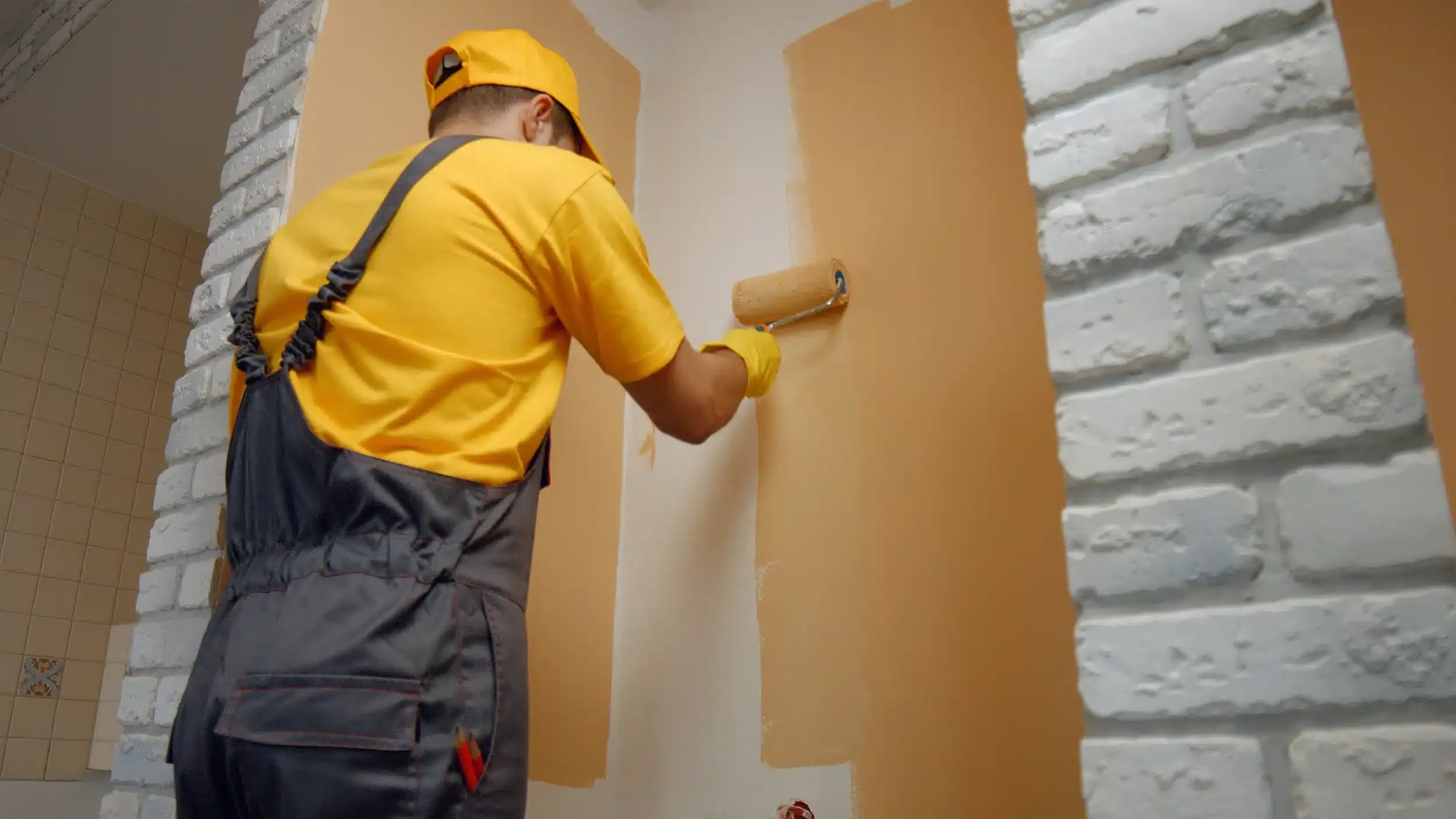
  • Protective Coatings That Beautify Your Exterior

    Protective Coatings That Beautify Your Exterior

    Protective coatings play a crucial role in maintaining and enhancing the appearance of exterior surfaces while providing essential defense against environmental elements. These coatings are specially formulated to shield buildings, vehicles, and outdoor structures from damage caused by moisture, ultraviolet rays, temperature fluctuations, and pollutants. By applying protective coatings to exterior surfaces, property owners can extend the lifespan of their investments while simultaneously improving curb appeal.

    One of the most common types of protective coatings for exteriors is paint designed with weather-resistant properties. Modern exterior paints often contain additives that prevent fading due to sun exposure and resist mildew growth in humid conditions. These paints not only refresh the look of walls but also create a barrier that helps keep water out, preventing issues such as peeling or cracking over time. The color options available allow customization according to personal taste or architectural style, making it possible to achieve both protection and aesthetic enhancement.

    In addition to traditional paints, clear sealants offer another layer of protection without altering the natural appearance of materials like wood or stone. Sealants penetrate porous surfaces to repel water and reduce staining from dirt or organic matter. They are particularly useful on decks, fences, and masonry where preserving texture and grain patterns is desirable. Some sealants incorporate UV inhibitors that minimize discoloration caused by sunlight exposure while maintaining transparency.

    For metal surfaces exposed outdoors-such as railings or gutters-specialized anti-corrosion coatings are essential. These products form a tough film that prevents rust formation triggered by moisture contact. Applying such coatings ensures structural integrity remains intact over years despite harsh weather conditions. Additionally, some formulations include decorative finishes like metallic sheens or textured effects that contribute visual interest alongside protection.

    Elastomeric coatings represent another innovative solution suitable for various substrates including stucco and concrete walls prone to cracking due to expansion and contraction cycles. Their flexible nature accommodates movement within building materials without compromising coverage integrity; this flexibility reduces maintenance frequency by sealing hairline cracks before they worsen into larger problems.

    When selecting a protective coating for exterior use, it is important to consider factors such as climate conditions, surface type, desired finish quality, and longevity requirements. Proper surface preparation prior to application ensures optimal adhesion which enhances durability significantly over time.

    In summary, investing in high-quality protective coatings offers dual benefits: safeguarding external structures against deterioration while simultaneously beautifying them through color enhancement or texture preservation. Whether using tinted paints with advanced resistance features or transparent sealers designed for subtle protection purposes, these treatments provide valuable long-term solutions for anyone looking to maintain attractive exteriors effectively under varying environmental stresses.