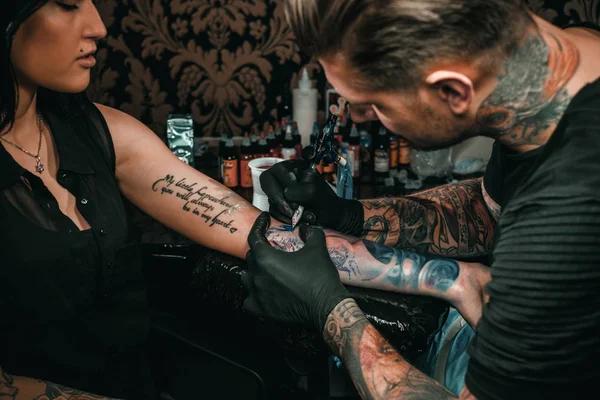
Tattoo and piercing shops have become increasingly popular as more people choose to express themselves through body art. However, with this growing trend comes the responsibility of ensuring that these services are performed safely and professionally. Establishing key standards for safety and professionalism in tattoo and piercing shops is essential to protect clients from potential health risks and ensure a positive experience.
The cornerstone of any reputable tattoo or piercing establishment is hygiene. Maintaining a clean environment is crucial in preventing infections and the spread of diseases. Shop owners must adhere to strict sanitation protocols, which include regular cleaning of surfaces, sterilization of equipment, and proper disposal of single-use items like needles. Autoclaves should be used to sterilize reusable tools, ensuring that all bacteria and pathogens are eliminated before they come into contact with clients.
In addition to maintaining cleanliness, professional tattoo artists and piercers should follow stringent personal hygiene practices. view this page includes wearing disposable gloves during procedures, washing hands thoroughly between clients, and using protective barriers such as face masks when necessary. Artists should also cover any open wounds or cuts on their own bodies to prevent contamination.
Another critical aspect of safety in tattoo and piercing shops is the use of high-quality materials. All inks used for tattoos must be approved by relevant health authorities to ensure they do not contain harmful substances that could cause allergic reactions or other adverse effects. Similarly, jewelry used for piercings should be made from hypoallergenic materials like surgical steel or titanium to minimize the risk of irritation or infection.
Professionalism extends beyond physical safety measures; it also encompasses ethical conduct towards clients. Tattoo artists and piercers must possess adequate training and certification from recognized institutions before practicing their craft on the public. They should engage in continuous education to stay updated on new techniques, trends, regulations, as well as health guidelines within the industry.
Clear communication between practitioners and clients is vital for establishing trustworthiness in a shop setting. Before beginning any procedure, professionals should discuss designs thoroughly with customers while providing realistic expectations about outcomes based on skin type or location preferences regarding tattoos/piercings placement options available according individual anatomy considerations involved therein too! Providing aftercare instructions post-procedure ensures healing processes occur smoothly without complications arising later down line either!
Lastly but certainly not least importantly: liability insurance coverage remains paramount importance protecting both parties against unforeseen circumstances potentially leading costly legal disputes otherwise avoided altogether had proper precautions been taken initially during service delivery phase itself already underway beforehand instead thereof subsequently thereafter afterwards ultimately thus far henceforth indefinitely forevermore always ongoing continually perpetually eternally ad infinitum world without end amen hallelujah praise ye Lord God Almighty Creator Universe Heaven Earth Sea All That In Them Is Hallelujah Amen Selah Maranatha Shalom Peace Be Unto You Always Forevermore!