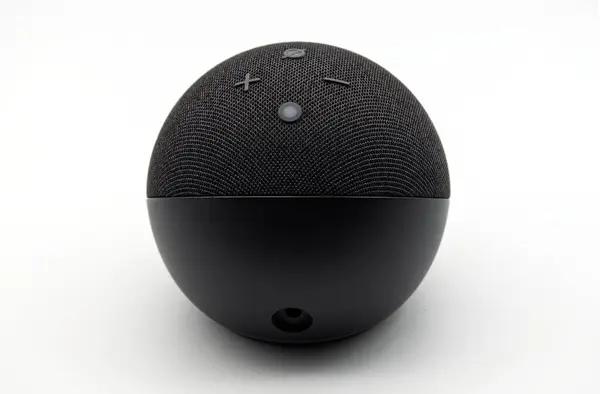
In the rapidly evolving digital age, artificial intelligence (AI) has become an indispensable part of our daily lives. AI personal assistants, such as Siri, Alexa, and Google Assistant, have transformed how we manage tasks and organize our schedules. However, to maximize their potential, it is crucial to identify the best tasks for these AI tools.
Firstly, understanding the strengths and limitations of AI personal assistants is essential. These intelligent systems excel in handling repetitive and time-consuming tasks due to their ability to process vast amounts of data quickly. Therefore, identifying tasks that are routine yet necessary can significantly enhance productivity when delegated to an AI assistant.
Scheduling appointments is one task where AI assistants shine. They can efficiently manage calendars by setting reminders for meetings or events and even rescheduling them if needed. By integrating with calendar apps like Google Calendar or Microsoft Outlook, they ensure you never miss important dates or deadlines.
Another area where AI personal assistants prove invaluable is in managing communication. They can filter emails based on priority levels or specific criteria set by the user. Additionally, they can draft responses using pre-set templates or even transcribe voice messages into text format for easy reading later on.
For those who frequently browse website travel for work-related purposes—booking flights/hotels becomes another viable task that could be handled effortlessly through these digital helpers; all it requires from users would merely involve providing preferences regarding airlines/accommodations beforehand so recommendations generated align accordingly without any hassle involved whatsoever!
Moreover—AI’s capability extends beyond mere organization/communication aspects alone since many platforms now offer integration possibilities with smart home devices too! This means controlling lighting/heating systems remotely via voice commands becomes feasible alongside receiving real-time updates about weather conditions outside before stepping out each day—a feature especially useful during unpredictable seasons like winter months when temperatures fluctuate drastically between morning/evening hours alike!
Furthermore—personalized recommendations tailored specifically toward individual preferences represent yet another advantage offered exclusively through leveraging advanced algorithms embedded within today’s leading virtual companions themselves: whether suggesting new music playlists based off past listening habits browsing latest movie releases matching genres already enjoyed previously—or simply recommending nearby dining establishments known serving favorite cuisines—all done seamlessly without requiring manual input whatsoever!
However—it remains equally important recognizing certain limitations inherent among current-generation AIs too: complex decision-making processes demanding nuanced judgment calls may still necessitate human intervention given contextual factors involved cannot always accurately interpreted solely relying upon raw computational power alone right now despite ongoing advancements being made continually across industry sectors worldwide every passing day further pushing boundaries what once seemed impossible only years ago!