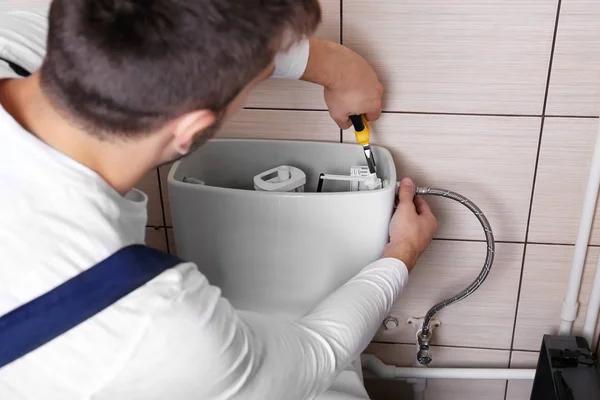
Maintaining a water softener in Papillion is essential for ensuring the longevity and efficiency of your system. Water softeners are vital devices that help combat hard water problems by removing minerals like calcium and magnesium, which can cause scale buildup in plumbing and appliances. Proper maintenance not only extends the life of your water softener but also ensures that it operates at peak performance, providing you with consistently soft water.
One key aspect of maintaining a water softener is regularly checking the salt levels in the brine tank. The salt is crucial as it regenerates the resin beads responsible for trapping hard minerals. It’s recommended to check the salt level at least once a month, ensuring there’s always enough to cover the bottom few inches of your tank. When adding salt, use high-quality products designed specifically for water softener papillion softeners to prevent potential issues caused by impurities.
In addition to monitoring salt levels, it’s important to clean your brine tank periodically. Over time, sludge or crusty deposits may form due to impurities in the salt or sediment from incoming water supplies. To clean it effectively, first empty out any remaining salt and then wash down the interior with soapy water before rinsing thoroughly.
Another critical component of maintenance involves inspecting and cleaning the resin bed every couple of years or as needed based on usage patterns and local water conditions. Resin beads lose their effectiveness over time due to wear or iron fouling; hence using a commercial resin cleaner can rejuvenate them efficiently.
Regularly testing your softened water will help ensure optimal performance too—it should be free from hardness if everything functions correctly within its system components such as valves & controls which must remain unobstructed while operating smoothly without leaks anywhere along connections between pipes leading into/out-of units themselves!
Despite diligent upkeep efforts sometimes replacement becomes necessary when systems age beyond repairable limits typically after 10-15 years depending upon frequency/volume usage experienced during lifespan thus far making upgrades inevitable eventually especially newer models offering improved energy efficiency features better suited today’s environmentally conscious homeowners seeking sustainable solutions long-term benefits outweigh costs associated purchasing/installing latest technology available market currently!