In the rapidly evolving world of cryptocurrencies, understanding the platforms through which digital assets are bought, sold, and traded is crucial for both beginners and experienced investors. Two commonly encountered terms in this space are “crypto broker” and “crypto exchange.” Although they may seem similar at first glance because both facilitate cryptocurrency transactions, they operate differently and serve distinct purposes. Knowing these differences can help users make informed decisions based on their trading needs.
A crypto broker acts as an intermediary between buyers and sellers of cryptocurrencies. When you use a crypto broker, you essentially trade directly with the broker rather than with other individual traders. Brokers typically offer a straightforward user experience where prices are often set by the platform itself or derived from aggregated market data. This setup makes brokers particularly appealing to newcomers who want simplicity without navigating complex order books or worrying about liquidity issues. The process resembles buying stocks through a traditional brokerage firm-users place orders specifying how much cryptocurrency they wish to buy or sell, and the broker executes these trades on their behalf.
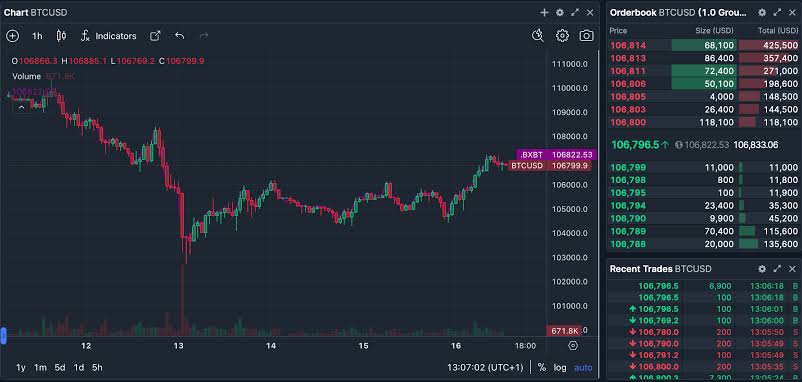
On the other hand, a crypto exchange is a marketplace that connects multiple buyers and sellers directly with one another. These platforms maintain an order book where users can place buy or sell orders at specific prices, enabling peer-to-peer trading within the platform’s ecosystem. Exchanges provide greater transparency by showing real-time price fluctuations based on supply and demand dynamics among participants. They also tend to support more advanced features such as limit orders, stop-loss orders, margin trading, and access to various altcoins beyond popular options like Bitcoin or Ethereum.
One key difference lies in pricing mechanisms: brokers usually charge fees embedded within spreads-the difference between buying (ask) price and selling (bid) price-while exchanges often charge explicit transaction fees per trade but offer tighter spreads due to direct market competition among users. Additionally, liquidity tends to be higher on exchanges since numerous participants create an active market; however, brokers mitigate liquidity concerns by guaranteeing execution regardless of market conditions.
Security considerations vary slightly between these two types of platforms as well. Crypto exchanges require robust security measures because they hold significant amounts of user funds in wallets facilitating peer-to-peer trades; any breach could impact many customers simultaneously. Conversely, brokers might reduce exposure risks by holding fewer client funds at once but still must ensure secure systems given their role in executing financial transactions.
In summary, choosing between a crypto broker and a crypto exchange depends largely on your priorities: if ease of use and quick execution matter most without delving into complex trading Redem Strategies, using a crypto broker is advantageous; if you seek greater control over your trades along with potentially lower costs per transaction-and don’t mind learning more about market mechanics-a crypto exchange may be preferable. Understanding these distinctions empowers investors to navigate the cryptocurrency landscape more effectively while aligning platform choice with individual investment goals.