
Category: Tech

  • Warning Signs Everyone Should Know About Online Scams

    Warning Signs Everyone Should Know About Online Scams

    In today’s digital age, online scams have become increasingly sophisticated and prevalent, targeting individuals from all walks of life. Recognizing the warning signs of these scams is crucial to protect personal information, finances, and overall security. Being aware can help prevent falling victim to fraudulent schemes that often lead to significant emotional and financial distress.

    One of the most common warning signs is unsolicited communication. Scammers frequently reach out through emails, text messages, phone calls, or social media platforms without any prior interaction. These messages often create a sense of urgency or fear, pressuring recipients to act quickly without thinking. For example, an email claiming your bank account has been compromised or that you’ve won a prize may push you to click on malicious links or provide sensitive details immediately.

    Another red flag is requests for personal information. Legitimate organizations rarely ask for passwords, Social Security numbers, credit card details, or other private data via email or phone calls. If someone demands this information unexpectedly or insists on secrecy about the request, it’s likely a scam attempt designed to steal your identity.

    Poor grammar and spelling mistakes are also telltale indicators. Many scam messages originate from non-native speakers who use automated translation tools; as Pamela Hachem a result, their communications often contain awkward phrasing and errors that would be unusual in official correspondence from reputable companies.

    Unrealistic offers and deals should raise suspicion as well. Scammers lure victims with promises of easy money through investment opportunities with guaranteed high returns or unbelievable discounts on popular products. If an offer sounds too good to be true-especially if it requires upfront payment-it probably is.

    Additionally, scammers may use fake websites that mimic legitimate ones closely but have subtle differences in URLs or design elements. Always verify website addresses carefully before entering any personal data or making payments online.

    Payment requests through unconventional methods like gift cards, wire transfers to unknown accounts, cryptocurrency payments, or prepaid debit cards are another warning sign since these methods are difficult to trace and recover once sent.

    Lastly, lack of verifiable contact information can indicate fraudulence; genuine businesses provide clear customer service contacts including physical addresses and official phone numbers which can be independently verified.

    Staying vigilant by recognizing these warning signs helps safeguard against online scams’ potentially devastating consequences. When encountering suspicious communications online always pause before responding-verify authenticity through trusted sources-and report suspected scams promptly to appropriate authorities for investigation and prevention efforts.
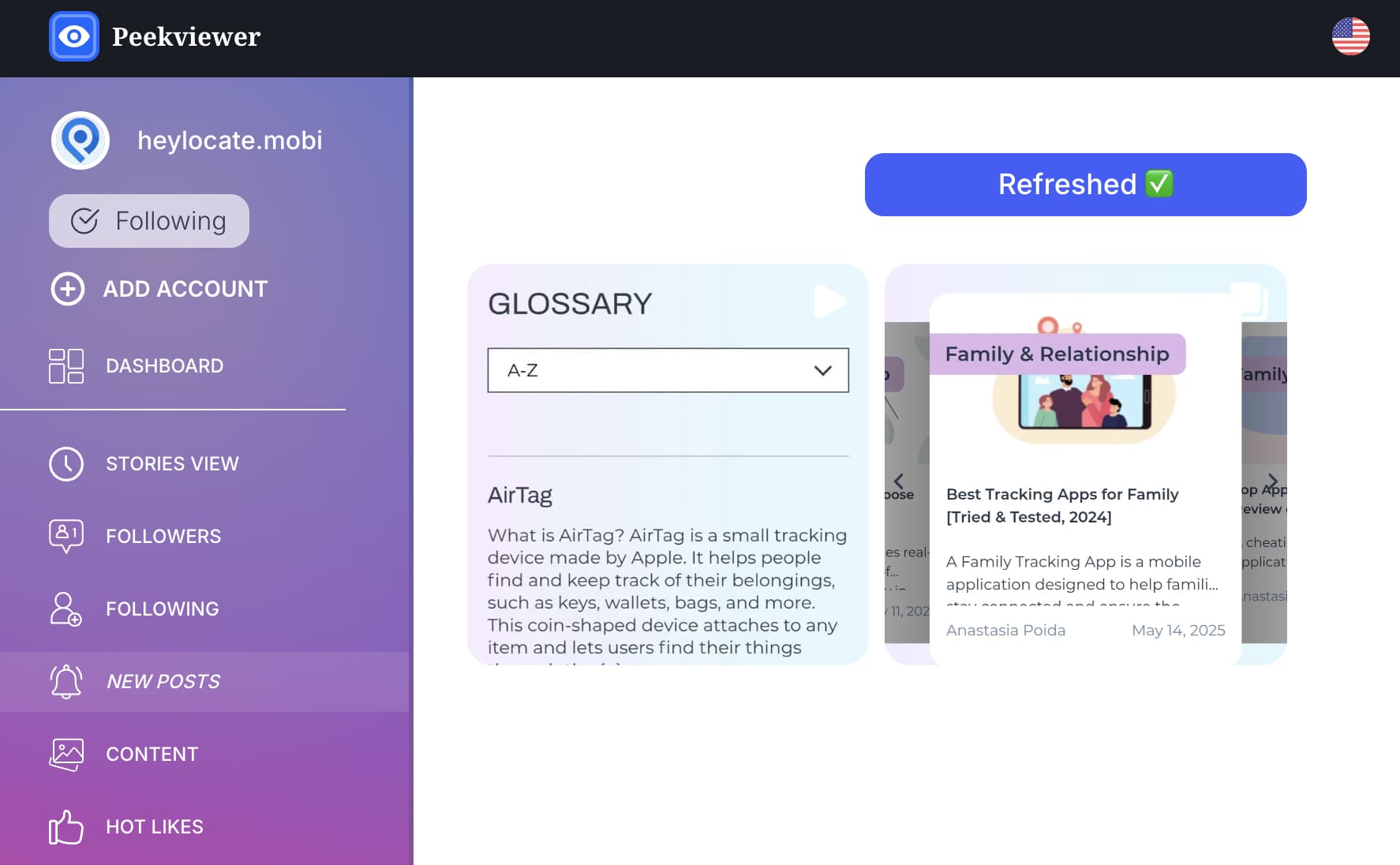
  • Peek Viewer Instagram Tool: What You Need to Know

    Peek Viewer Instagram Tool: What You Need to Know

    In the ever-evolving landscape of social media, Instagram remains one of the most popular platforms for sharing visual content and connecting with audiences worldwide. As users seek more efficient ways to manage their interactions and gather insights, various tools have emerged to enhance the Instagram experience. One such tool gaining attention is Peek Viewer, an Instagram viewer designed to provide users with a convenient way to explore profiles anonymously.

    Peek Viewer is primarily known for its ability to allow individuals to view public Instagram profiles without logging into an account or revealing their identity. This feature appeals particularly to those who wish to browse content discreetly, whether for personal curiosity or professional research purposes. Unlike traditional methods where viewing someone’s profile can be tracked or requires an account login, Peek viewer Instagram offers a seamless alternative by enabling anonymous access.

    The functionality of Peek Viewer extends beyond simple profile browsing. Users can often view photos, videos, stories, and highlights available on public accounts through this tool. This comprehensive access makes it valuable for marketers analyzing competitor activity, influencers monitoring trends without alerting others, or casual browsers interested in exploring new content without leaving a digital footprint.

    One significant advantage of using Peek Viewer lies in its user-friendly interface. The platform typically requires only the username of the target Instagram account; no additional downloads or installations are necessary since many versions operate through web browsers directly. This ease of use reduces barriers for users who may not be tech-savvy but still want quick access to Instagram content privately.

    However, it is essential to understand both the benefits and limitations associated with Peek Viewer. Since it only works with public accounts, any private profiles remain inaccessible through this tool due to Instagram’s privacy settings designed to protect user data. Additionally, while anonymity is maintained from the viewed profile’s perspective, users should exercise caution regarding their own privacy and security when using third-party services online.

    Ethical considerations also come into play when utilizing tools like Peek Viewer. Respecting other users’ privacy boundaries and adhering to platform guidelines ensures responsible usage that does not infringe upon personal rights or lead to misuse of information gathered anonymously.

    In conclusion, Peek Viewer serves as a useful instrument for anonymous exploration of public Instagram profiles by offering easy access without requiring login credentials or exposing viewer identities. Its simplicity and convenience make it attractive for various purposes ranging from market research to casual browsing; nevertheless, understanding its scope limitations alongside ethical implications remains crucial before integrating such tools into regular social media practices.