
Category: Games

  • A Beginner’s Guide to Diamond Free Fire Options

    A Beginner’s Guide to Diamond Free Fire Options

    Free Fire has become one of the most popular battle royale games worldwide, attracting millions of players daily. A significant part of its appeal lies in the customization and upgrades available through various in-game options. Among these, the use of diamonds stands out as a critical feature for enhancing gameplay. For beginners, understanding diamond Free Fire options can seem daunting, but this guide aims to simplify those choices and help new players make the most of their resources.

    Diamonds in Free Fire act as the premium currency, enabling players to purchase exclusive items such as character skins, weapon skins, emotes, and even unlock special characters. Unlike coins, which are earned through gameplay, diamonds are usually obtained through real money transactions or special events. Therefore, managing diamonds wisely is essential for beginners looking to maximize their gaming experience without unnecessary spending.

    One of the first options beginners should consider is purchasing character skins with diamonds. These skins not only enhance the visual appeal but sometimes provide gameplay advantages, such as increased health or faster movement speed. It’s important to research which characters suit your playstyle before spending diamonds on skins or unlocking new characters.

    Weapon skins are another popular use of diamonds. These skins can improve weapon accuracy, reload speed, or damage, giving players a competitive edge during matches. Beginners should Diamond Free Fire focus on upgrading skins for weapons they frequently use, rather than spreading diamonds thin across multiple items. Prioritizing upgrades can lead to a more efficient and enjoyable gameplay experience.

    Another valuable diamond option is unlocking emotes. While emotes do not affect gameplay, they enhance social interaction and expression within the game. For beginners, investing a small number of diamonds in emotes can make the gaming experience more fun and engaging, especially when playing with friends or in teams.

    Beginners should also take advantage of special diamond offers and events within Free Fire. These events often provide diamonds at discounted rates or offer bonus items with diamond purchases. Staying updated on these promotions can help new players get more value for their diamonds and progress faster in the game.

    In conclusion, diamonds in Free Fire open a world of customization and strategic advantages for players. Beginners should focus on using diamonds for character and weapon skins that complement their gameplay style and keep an eye on special offers to maximize their value. By understanding and wisely utilizing diamond Free Fire options, new players can enhance their gaming experience and enjoy the competitive thrill that Free Fire offers.
  • How Tournament Play Enhances Strategy and Court Awareness

    How Tournament Play Enhances Strategy and Court Awareness

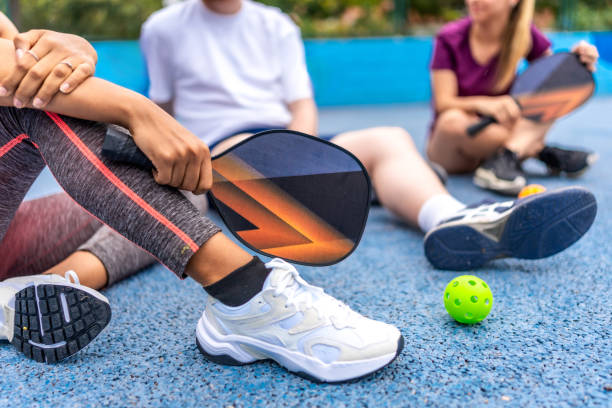
    Tournament play offers a unique environment that significantly enhances a player’s strategy and court awareness, contributing to overall improvement in competitive sports. Unlike casual or practice sessions, tournaments present heightened pressure and diverse opponents, compelling players to adapt quickly and think critically. This dynamic atmosphere encourages athletes to refine their tactical approach by anticipating opponents’ moves and adjusting their gameplay accordingly.

    One of the key ways tournament participation sharpens strategy is through exposure to varied playing styles. Each competitor brings distinct strengths, weaknesses, and habits onto the court. Facing multiple adversaries with differing techniques forces players to analyze patterns rapidly during matches. This continuous assessment helps develop an ability to predict shots or plays based on subtle cues such as body positioning or previous tendencies. As a result, athletes become more adept at crafting game plans tailored specifically for each opponent rather than relying on a generic approach.

    Moreover, tournaments demand efficient time management within points and matches. The pressure of limited opportunities encourages competitors to make calculated decisions instead of impulsive reactions. Players learn when it is advantageous to play aggressively versus adopting a defensive stance depending on the scoreline or momentum shifts. Such strategic thinking under stress conditions cannot be fully Texas pickleball events replicated in regular training environments where stakes are lower.

    Court awareness also improves substantially through tournament experiences because players must maintain constant vigilance about spatial positioning relative to their opponent and boundaries. Awareness includes understanding one’s location on the court while monitoring the trajectory of balls or movements around them. Enhanced spatial recognition allows quicker recovery after shots and better anticipation of where future plays will unfold.

    Additionally, repeated exposure to match situations cultivates mental resilience alongside physical skills. Competitors often face unexpected challenges such as unfavorable calls from officials or fluctuating crowd energy levels during tournaments; managing these distractions without losing focus strengthens concentration abilities crucial for maintaining high performance throughout extended contests.

    The feedback loop created by competing regularly in tournaments accelerates learning curves by highlighting areas needing improvement immediately after matches conclude through reflection or coaching input. Players gain insights into effective strategies that worked well against certain opponents while identifying errors that hindered success elsewhere.

    In summary, tournament play acts as an intensive training ground fostering advanced strategic thinking and heightened court awareness essential for competitive excellence across various sports disciplines. By navigating diverse challenges under real-time pressures against skilled adversaries, athletes cultivate adaptability, decision-making prowess, and spatial intelligence necessary for sustained growth in their sporting careers.