Preparing your roof for heavy rain is a crucial task that can prevent significant damage to your home. Roofing companies play an essential role in ensuring that roofs are ready to withstand the challenges posed by severe weather conditions. Their expertise and systematic approach help homeowners maintain the integrity of their roofs, protecting both property and occupants.
The first step roofing companies take is conducting a comprehensive inspection. This involves examining every part of the roof, including shingles, flashing, gutters, and downspouts. During this inspection, professionals look for signs of wear and tear such as cracked or missing shingles, loose nails, or damaged flashing around chimneys and vents. Identifying these issues early allows for timely repairs before they escalate into more serious problems during heavy rain.
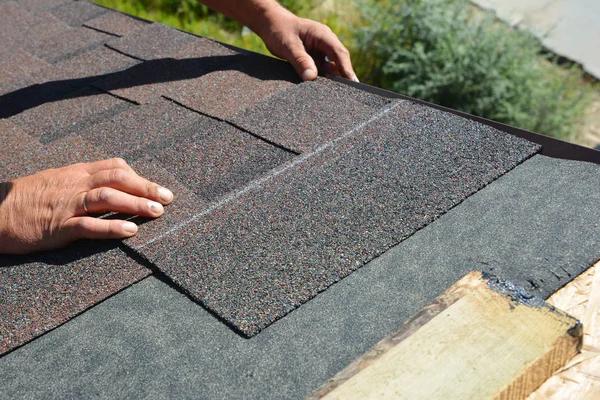
Once potential issues are identified, roofing experts proceed with necessary repairs or replacements. Shingles that are cracked or missing are replaced to ensure there are no entry points for water. Flashing is repaired or replaced if it shows signs of rusting or separation from adjoining surfaces because compromised flashing can lead to leaks which may cause interior damage.
Gutters and downspouts also receive special attention since they play a critical role in directing water away from the roof visit this page and foundation of the house. Clogged gutters can cause water to back up under the eaves of a roof leading to rot and other structural issues over time. Roofing companies clean out debris from gutters ensuring smooth water flow during heavy rains.
In addition to physical repairs, roofing companies often recommend preventative measures that homeowners can undertake themselves between professional inspections. These include regularly cleaning leaves and debris off the roof surface especially after storms; trimming overhanging branches which could break off during high winds causing damage; checking attic ventilation which helps prevent moisture buildup under the roof deck reducing risks related to mold growth.
Roofing professionals might also suggest applying sealants on vulnerable areas like valleys where two slopes meet because these spots tend to collect more water than others increasing likelihoods of leakage if not properly sealed off beforehand.