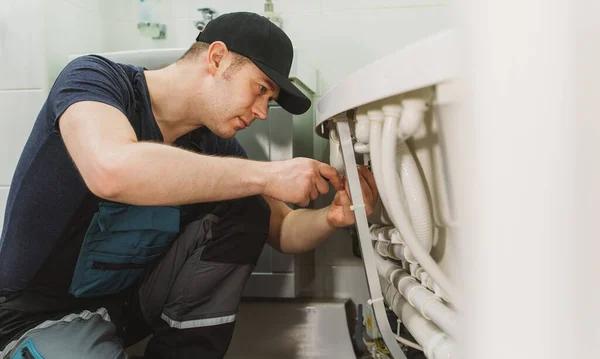
A home plumbing inspection plays a crucial role in maintaining the overall health of a property by identifying potential issues before they escalate into costly repairs. Plumbing systems are complex networks of pipes, fixtures, and fittings that work together to provide clean water and remove waste efficiently. Over time, wear and tear or unnoticed damage can lead to leaks, blockages, or corrosion. These problems often start small but may develop into serious complications if left unattended. By scheduling regular plumbing inspections, homeowners can detect these early warning signs and address them promptly.
During an inspection, a professional plumber examines various components such as water supply lines, drains, faucets, toilets, water heaters, and sump pumps. They look for leaks under sinks and around appliances as well as check water pressure levels to ensure proper function. The inspector also assesses pipe conditions to identify any rust or corrosion that could weaken the system over time. Identifying minor issues like slow drainage or dripping taps allows for simple fixes that prevent more details extensive damage later on.
One significant benefit of routine inspections is avoiding unexpected emergencies that disrupt daily life and require expensive emergency services. For example, a hidden leak inside walls or beneath floors might go unnoticed until it causes structural damage or mold growth. Mold not only harms indoor air quality but also leads to costly remediation efforts. Early detection through inspection helps mitigate these risks by enabling timely repairs before the situation worsens.
In addition to preventing damages within the home’s interior structure, inspections help conserve water by detecting inefficient fixtures or leaks that waste resources continuously without being obvious at first glance. Water bills can increase significantly due to undetected drips from faucets or running toilets; repairing these inefficiencies saves money while promoting environmental responsibility.
Furthermore, plumbing inspections contribute positively when selling a house since prospective buyers often request documentation showing the property has been well maintained with no hidden defects in critical systems like plumbing. A recent inspection report reassures buyers about the condition of pipes and fixtures which can facilitate smoother transactions.
Overall, investing in regular home plumbing inspections proves cost-effective by catching problems early on when repairs are simpler and less expensive compared to major overhauls caused by neglecting maintenance needs over prolonged periods. This proactive approach safeguards both financial interests and comfort within one’s living environment while ensuring reliable operation of essential household utilities throughout the years ahead.